Renaissance faire outfit ideas for beginners do not need expensive corsets, custom boots or historically perfect clothing. A comfortable base outfit, one or two recognizable layers and practical accessories are enough to enjoy a first visit. This guide covers 15 approachable looks for adults, couples and families, plus a budget checklist and tips for walking outdoors all day.
What Should You Wear to Your First Renaissance Faire?
Most Renaissance faires welcome ordinary visitors in modern clothes, and costumes are generally optional. If dressing up, start with breathable fabrics, comfortable footwear and a small bag. Check the specific event’s rules for costume props, masks and weapons before attending. A fantasy-inspired outfit can be fun even if it is not historically accurate.
15 Easy Renaissance Faire Outfit Ideas
1. Simple Peasant or Villager
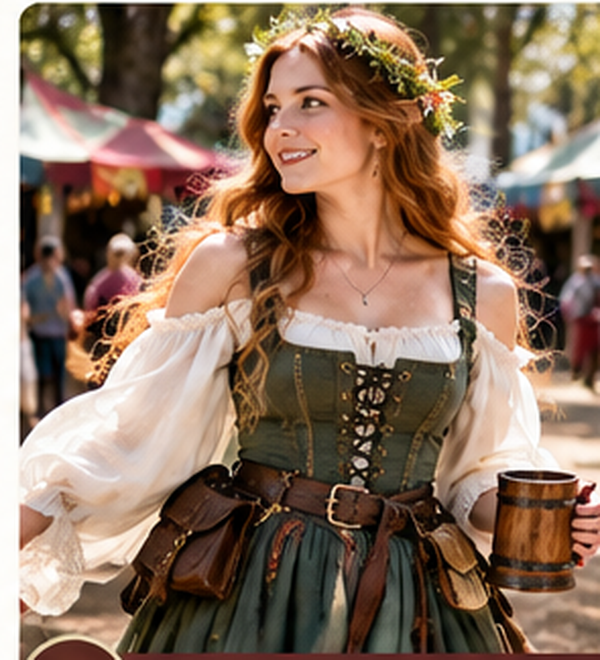
A loose linen-look shirt, ankle-length skirt or relaxed trousers, and a plain belt create an easy first faire outfit. Choose cream, brown, olive or faded blue. A fabric pouch is more useful than a decorative sword.
Comfort tip: Keep the neckline comfortable and avoid dragging hems on dusty paths.
2. Tavern Server
Layer a white blouse under a lace-up or fitted vest with a full skirt. Add an apron and a small belt pouch. The combination reads clearly without a heavy costume.
Comfort tip: Choose a vest that can be loosened after eating or walking.
3. Traveling Merchant
Start with a tunic, neutral trousers and a crossbody satchel. Add a scarf, layered vest and a few handmade-looking accessories. The bag doubles as practical storage.
Comfort tip: Skip fragile glass bottles and keep valuables in a secure inner pocket.
4. Woodland Ranger
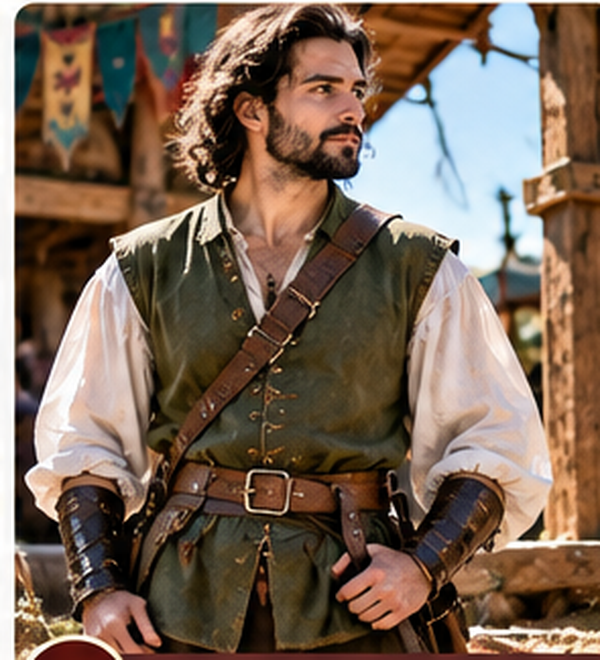
Combine a dark green shirt, brown trousers, lightweight hooded capelet and sturdy boots. A simple leather-look belt completes the look.
Comfort tip: Avoid real weapons; check the event’s prop policy before bringing bows or blades.
5. Cottagecore Herbalist
Wear a soft blouse, earthy skirt, knitted shawl and botanical-print pouch. Dried-looking faux herbs or fabric leaves create the theme without messy loose plants.
Comfort tip: Use faux plants if the venue restricts outside greenery.
6. Village Baker
A cream shirt, rolled sleeves, checked apron and headscarf create a comfortable outfit. Carry a small empty woven basket as a prop.
Comfort tip: Leave food props at home if the event has outside-food rules.
7. Noble-Inspired Guest
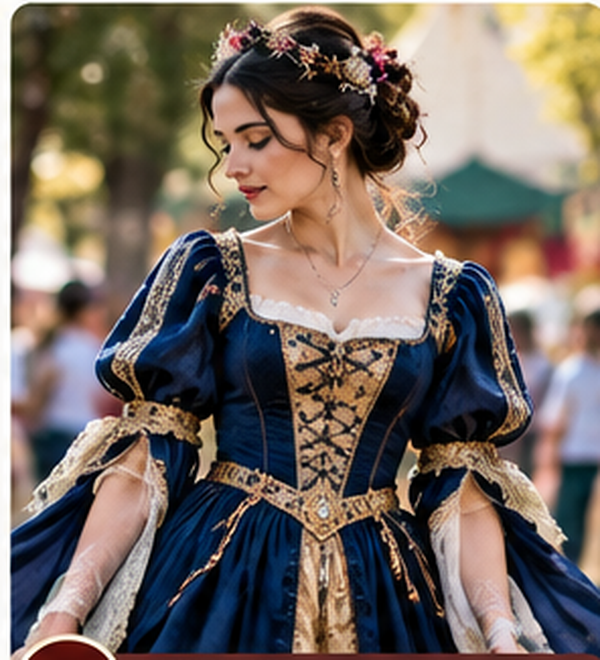
A jewel-tone dress or long tunic, decorative belt and modest fabric headpiece look polished without needing expensive brocade. A detachable capelet adds drama.
Comfort tip: Avoid long trains that can catch underfoot.
8. Renaissance Scholar
Try a collared shirt, long vest, dark trousers and a notebook in a leather-look cover. A soft cap and satchel make it recognizable.
Comfort tip: Use lightweight layers so the outfit remains comfortable in warm weather.
9. Forest Fairy

A sage or moss-green dress, leaf clips and soft tulle accents create a fantasy-friendly look. Wings are optional, especially in crowded walkways.
Comfort tip: If wearing wings, keep them compact and flexible.
10. Friendly Bard
A billowy shirt, colored vest, trousers and soft hat with a fabric feather suggest a traveling performer. A toy instrument can work if permitted.
Comfort tip: Do not bring noisy instruments unless the event welcomes them.
11. Pirate-Inspired Traveler
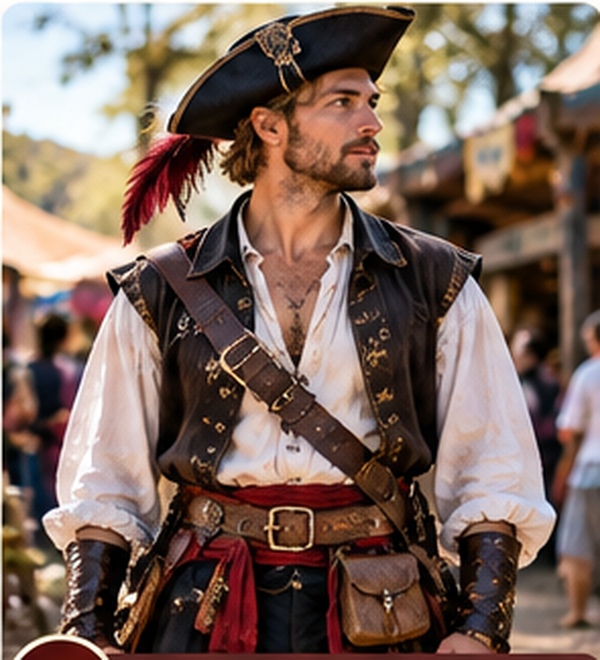
A striped or plain blouse, dark vest, loose trousers, sash and boots make an easy fantasy crossover outfit.
Comfort tip: Avoid realistic replica weapons and check the faire’s theme.
12. Market-Day Couple
Coordinate rather than match: one person wears a simple tunic and belt, the other a blouse and layered skirt. Repeat one color in both outfits.
Comfort tip: Choose practical shoes for both people rather than matching footwear.
13. Family Village Group
Dress everyone in natural-colored basics, then vary accessories: apron, satchel, scarf, cap or shawl. The shared palette creates a cohesive group.
Comfort tip: Prioritize quick bathroom breaks, comfortable children’s clothing and washable materials.
14. Warm-Weather Faire Look
Use a breathable cotton shirt, lightweight skirt or trousers and a thin vest. Carry a hat and water bottle in an appropriate bag.
Comfort tip: Avoid heavy cloaks, thick faux leather and multiple non-breathable layers in high heat.
15. Cool-Weather Faire Look
Layer a long-sleeve base, vest, wool-look shawl and weatherproof boots. A short cloak can provide warmth without sweeping the ground.
Comfort tip: Pack a rain layer; many outdoor grounds become muddy.
Beginner Outfit Comparison: What to Buy or Reuse
These practical outfit cards help compare options on a phone without a wide table.
Villager
Base: Loose shirt, skirt or trousers
Extra: Belt or fabric pouch
DIY difficulty: Very easy
Woodland ranger
Base: Green top and brown trousers
Extra: Short capelet or hood
DIY difficulty: Easy
Tavern server
Base: Blouse and full skirt
Extra: Apron or vest
DIY difficulty: Easy
Noble-inspired guest
Base: Long dress or tunic
Extra: Decorative belt or headpiece
DIY difficulty: Moderate
Forest fairy
Base: Green dress or separates
Extra: Leaf accessories
DIY difficulty: Easy
How to Build a Renaissance Faire Outfit on a Budget
Step 1: Shop Your Closet
Look for loose button-down shirts, long skirts, plain dresses, vests, scarves and neutral trousers. Remove obvious modern logos. You can create a complete base outfit without buying a specialized costume.
Step 2: Choose a Simple Color Palette
Earth tones suit villagers, merchants and rangers. Cream and muted blue work well for cottage-inspired outfits. Jewel tones make a noble-inspired look feel dressier. Limiting the palette to two or three colors helps inexpensive pieces look coordinated.
Step 3: Add One Recognizable Accessory
Choose a belt pouch, apron, shawl, fabric headband, simple capelet or soft cap. A single strong accessory often makes a bigger visual difference than several small trinkets.
Step 4: Check Shoes, Weather and Movement
Outdoor faires can involve uneven paths, long queues and changing weather. Wear shoes already broken in, practice sitting and walking in your outfit, and avoid anything that drags. If you plan to wear a corset-style piece, it should allow easy breathing and movement.
What Not to Wear: Common Beginner Mistakes
New visitors sometimes prioritize appearance over comfort. Heavy synthetic layers can overheat quickly, while brand-new boots may cause blisters. Oversized wings, trailing capes and rigid accessories are inconvenient in crowds. Avoid realistic-looking weapons unless the event explicitly allows and peace-bonds them. Historical accuracy is not necessary for a casual fantasy-themed outfit unless a particular event requires it.
Renaissance Faire Outfit Ideas for Couples and Families
For couples, coordinate colors rather than buying identical costumes. A ranger and herbalist can share forest greens; a baker and merchant can use cream and brown. For families, choose one simple base per person and distinguish roles with washable accessories. Children’s outfits should allow easy movement and have no loose cords or choking hazards.
Frequently Asked Questions
Do I have to dress up for a Renaissance faire?
Usually not. Many visitors wear everyday clothes. Check your event’s visitor guidance for any special requirements.
Can I wear sneakers with a Renaissance faire outfit?
Yes, comfort is more important than perfectly period-looking footwear. Plain dark sneakers can blend into a simple costume.
Are fantasy costumes allowed at Renaissance faires?
Many faires welcome fairies, adventurers and other fantasy outfits, but rules vary by event. Check the costume and prop policy.
How much should a beginner spend?
There is no required budget. Start with clothes you already own and buy only an accessory or missing layer if needed. Thrifted pieces can be more useful than a one-piece costume that fits poorly.
What should I bring to a Renaissance faire?
Comfortable shoes, water where allowed, weather protection, sunscreen for daytime events, payment method and a secure bag are practical essentials.
More DIY Costume Inspiration
For a rustic historical base, see the medieval peasant costume ideas (article coming soon). For a playful fantasy alternative, explore goblin costume ideas or woodland fairy costume inspiration (article coming soon).
Choose the Right Renaissance Faire Guide
This article is a collection of low-cost outfit examples. For a step-by-step guide to combining clothing layers, read Renaissance Fair Outfits. For practical advice about your first visit, see What to Wear to a Renaissance Fair.
Final Checklist
Pick one theme, reuse comfortable basics, add one recognizable accessory and check the event rules. The best first-time Renaissance faire outfit is the one that lets you enjoy the day without constantly adjusting your costume.