Wondering what to wear to a Renaissance fair? The best outfit is comfortable enough for hours of walking outdoors while still fitting the atmosphere of the faire. You do not need an elaborate costume to enjoy the experience.

For most first-time visitors, a breathable shirt or blouse, comfortable trousers or a long skirt, supportive shoes, and one or two Renaissance-inspired layers are enough. Start simple, dress for the weather, and add accessories only if they will not become annoying to carry.
Do You Have to Dress Up for a Renaissance Fair?
No. Renaissance fairs generally welcome visitors in everyday clothes as well as historical, Renaissance-inspired, medieval, and fantasy outfits. Dressing up can make the day more immersive, but it is not necessary.
If this is your first visit, prioritize comfort over historical accuracy. You can always add a vest, bodice, belt, cloak, hat, or other themed piece without wearing a complete costume.
What to Wear to a Renaissance Fair for the First Time
A simple first-time outfit should handle walking, sitting, eating, changing temperatures, and uneven outdoor ground. A practical combination is a loose cotton or linen-look top, relaxed trousers or a long skirt, a belt or vest for visual interest, and broken-in shoes.
Choose fabrics that breathe and layers that are easy to remove. Avoid building an outfit around anything so tight, heavy, delicate, or complicated that it distracts from the day.
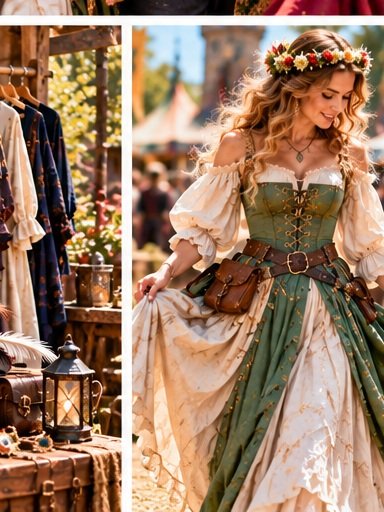
What Women Can Wear to a Renaissance Fair
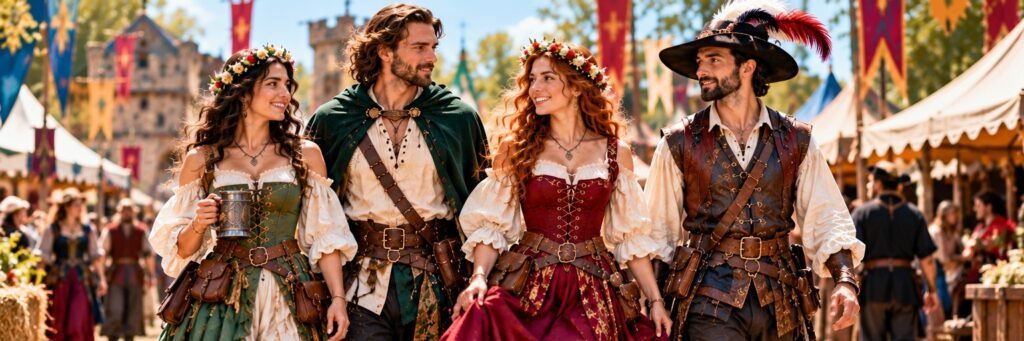
A blouse or chemise with a long skirt creates an easy base. Add a comfortable bodice, corset-style outer layer, apron, belt, or lightweight shawl if you want a stronger Renaissance look.
For a simpler outfit, pair an earth-tone maxi skirt with a loose cream blouse and comfortable boots or flats. For a more dressed-up look, use layered skirts, richer colors, decorative jewelry, and a structured outer piece.
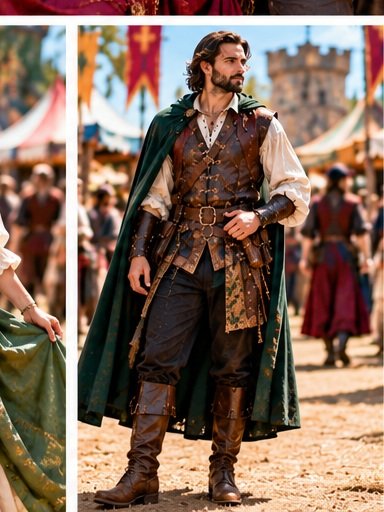
What Men Can Wear to a Renaissance Fair
A loose shirt with relaxed trousers is one of the easiest starting points. Add a vest, belt, boots, or lightweight cloak to make the outfit feel more intentional.
Neutral and earthy shades such as cream, brown, olive, burgundy, navy, and charcoal are easy to coordinate. Avoid uncomfortable heavy layers just because they appear more historical.

What Shoes Should You Wear?
Shoes can matter more than almost any costume detail because Renaissance fairs often involve hours of walking on grass, dirt, gravel, or uneven paths.
Wear footwear you already know is comfortable. Broken-in boots are ideal for a themed look, but simple supportive shoes are better than new costume boots that cause blisters. If rain is possible, choose footwear that can handle mud.
What to Wear in Hot Weather
Choose breathable fabrics, lighter colors, loose sleeves, and fewer layers. A hat can provide useful shade, and removable costume pieces let you simplify your outfit as the temperature rises.
Heavy cloaks, thick synthetic fabrics, multiple structured layers, and bulky accessories can become uncomfortable quickly in direct sun. Keep the visual theme while reducing unnecessary weight.
What to Wear in Cool or Rainy Weather
Use layers rather than one extremely heavy garment. A cloak, shawl, cardigan hidden beneath an outer layer, or warm base layer can help when temperatures change during the day.
For wet conditions, think about hems and footwear. Very long skirts, capes, and trailing costume pieces can drag through mud, so shorter or easily lifted layers are more practical.
Can You Wear Normal Clothes?
Yes. Jeans, shorts, T-shirts, casual dresses, and other everyday clothing are fine if that is what makes you comfortable. You are attending the fair, not passing a costume test.
If you want normal clothes to blend into the setting a little more, choose simple colors and add one themed accessory such as a belt, vest, hat, scarf, or pouch.
Easy Renaissance-Inspired Outfit Ideas
Simple village look: cream blouse or loose shirt, brown or olive bottoms, belt, and comfortable boots.
Casual traveler: loose shirt, relaxed trousers, vest, cross-body satchel, and boots.
Easy feminine look: long skirt, blouse, belt or bodice, simple jewelry, and comfortable footwear.
Fantasy-inspired look: practical Renaissance-style base with floral, woodland, fairy, or metallic accessories.
If you want complete character concepts rather than casual outfits, see our Renaissance faire costumes guide. For more outfit combinations and styling inspiration, our Renaissance fair outfits guide goes deeper into building the look.
Useful Accessories to Bring
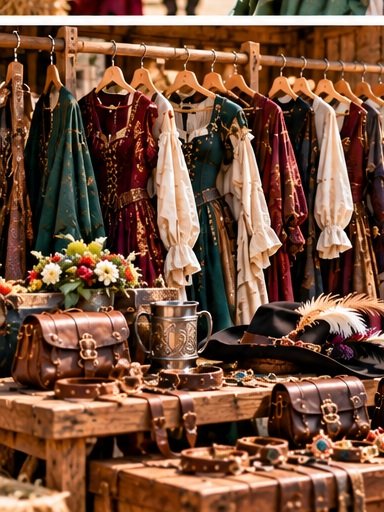
A belt pouch or cross-body bag is especially useful for carrying your phone, wallet, sunscreen, and small essentials while keeping your hands free. Hats, lightweight shawls, simple jewelry, and scarves can add character without making the outfit difficult to manage.
Check the specific event’s rules before bringing costume weapons, large staffs, oversized wings, or other bulky props.
What Not to Wear to a Renaissance Fair
- Brand-new shoes you have never walked in.
- Heavy layers that do not suit the weather.
- Extremely long hems that are difficult on dirt or muddy ground.
- Tight clothing that becomes uncomfortable when sitting or eating.
- Large props that are difficult to carry all day.
- Anything prohibited by the fair’s costume or prop policy.
What to Pack Along With Your Outfit
- Sunscreen and sunglasses for exposed outdoor areas.
- Water, where outside drinks are permitted.
- A small bag or belt pouch for essentials.
- A light extra layer when the forecast may change.
- Weather-appropriate protection such as a compact rain layer.
Frequently Asked Questions
Can I wear jeans to a Renaissance fair?
Yes. Jeans are perfectly reasonable if comfort is your priority. Pair them with a loose shirt, vest, boots, or simple themed accessory if you want the outfit to feel more connected to the faire.
Can I wear sneakers to a Renaissance fair?
Yes. Comfortable sneakers are a sensible choice, especially if you expect a lot of walking. Supportive modern footwear is better than painful costume shoes.
Do I need a corset or bodice?
No. They are optional styling pieces, not requirements. If you choose one, make sure you can comfortably breathe, sit, walk, and eat while wearing it.
Can I wear a fantasy outfit instead of a historical one?
Often, yes. Fantasy-inspired clothing is common at many Renaissance fairs, although themes and costume policies vary by event. Check the rules of the fair you plan to attend.
Should I buy a costume for my first Renaissance fair?
Not necessarily. Start with comfortable clothing you already own and add a few themed pieces if you want. After attending once, you will have a much better idea of what kind of outfit or costume you would enjoy wearing again.
First-Time Visitor Checklist
This guide focuses on what to expect and what to wear for your first visit, not on choosing a particular character. Before leaving, check the event’s current weather forecast, bag policy, footwear requirements, and rules for costume props. Pack water if permitted, sunscreen for daytime events, and a light layer for changing temperatures. You can enjoy a Renaissance fair in everyday clothes; dressing up is optional at many events.
When you are ready to assemble a coordinated outfit, use our complete Renaissance fair outfit guide. For specific affordable character looks, see beginner Renaissance faire outfit ideas.
Final Thoughts
When deciding what to wear to a Renaissance fair, build around comfort first. Choose reliable shoes, breathable clothing, weather-friendly layers, and only as many themed details as you can comfortably manage. You can attend in normal clothes, create a simple Renaissance-inspired outfit, or dress in a complete costume—the best choice is the one that lets you enjoy the entire day.